
Have you ever walked into a room you've always loved and suddenly felt that something was different?
The furniture hasn't moved. The walls are the same color. Nothing has been rearranged. Yet the room that felt bright and welcoming in July might seem a little darker, cooler, or less inviting by late November.
You're not imagining it.
As the seasons change, so does the way we experience our homes. And in Connecticut, where daylight hours, outdoor temperatures, and weather conditions vary dramatically throughout the year, those changes can be especially noticeable.
The interesting part? Sometimes it's not the room that has changed. It's everything happening around it.
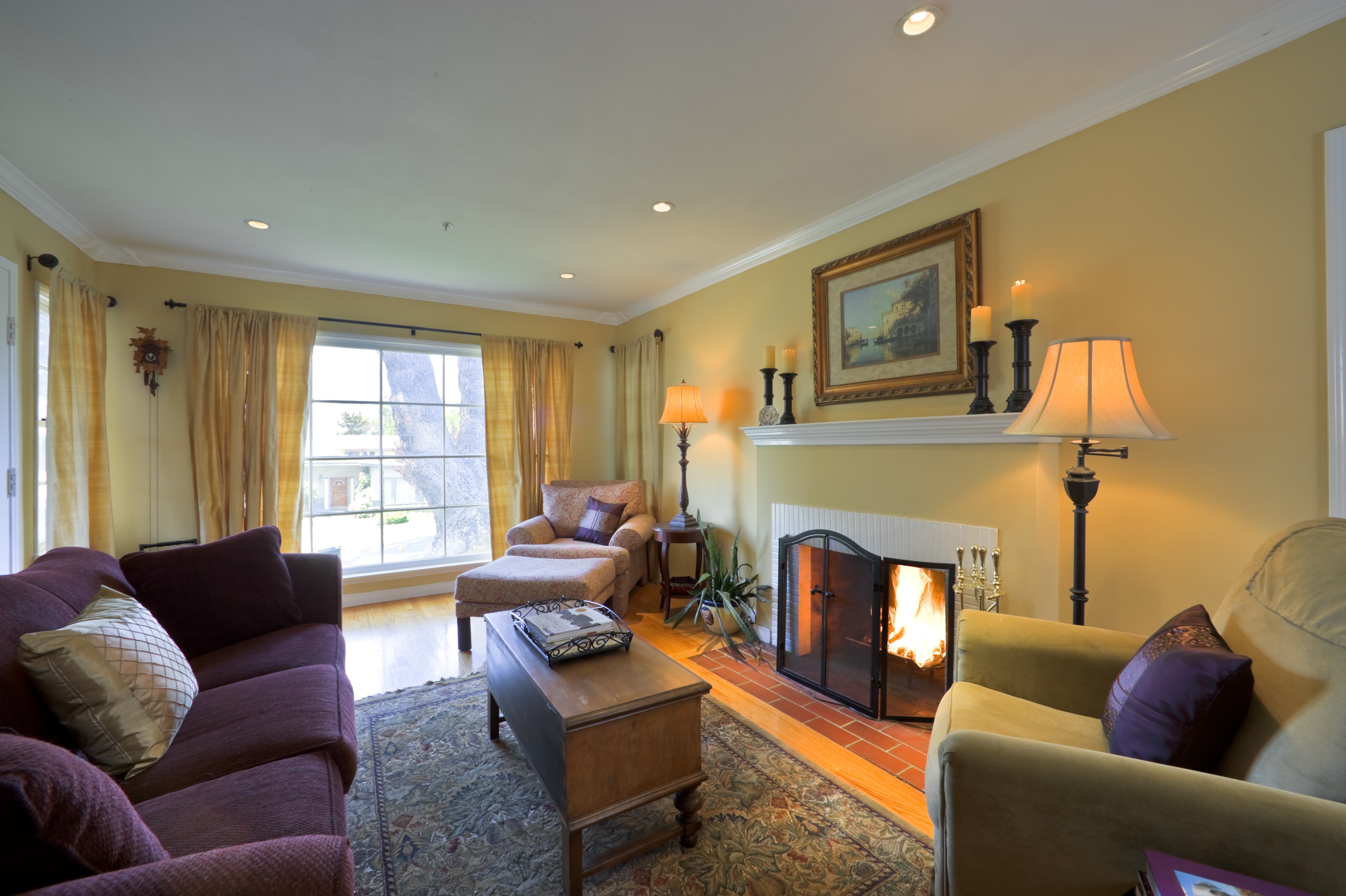
Welcome to Issue No. 08 of The Homeowner's Guide, where we're exploring why our homes feel different in winter—and how a few thoughtful adjustments can help them feel comfortable, balanced, and welcoming throughout the season.
1. The Sun Isn't Lighting Your Rooms the Same Way
One of the biggest differences between summer and winter happens before we even turn on a light.
During winter, the sun follows a lower path across the sky. Combined with shorter daylight hours, this changes how sunlight enters our windows, where shadows fall, and how much natural light reaches different parts of a room.
A living room that receives abundant summer sunlight might feel noticeably dimmer on a December afternoon. Other spaces may experience more direct, low-angle sunlight than they did earlier in the year.
Even the same wall can look different depending on the time of day.
What to consider:
- Notice which rooms receive the most natural light during winter.
- Keep window treatments open during daylight hours when privacy and comfort allow.
- Consider whether heavy curtains are blocking more daylight than necessary.
- Pay attention to corners and seating areas that become noticeably darker.
Sometimes, understanding how natural light moves through a room is the first step toward making it feel more inviting.
2. Your Wall Colors May Look Different—Even Though They Haven't Changed
Have you ever wondered why a paint color that looked perfect in summer suddenly appears cooler, darker, or slightly different in winter?
Light has a tremendous influence on how we perceive color.
Warm afternoon sunlight, cool overcast daylight, and artificial lighting can each bring out different undertones in the same painted surface.
A soft gray may appear warmer in one season and cooler in another. A beige wall might take on a golden glow in direct sunlight but look more subdued on a cloudy day. Even whites can shift in appearance depending on the surrounding light.
That's one reason choosing an interior paint color based on a single sample, viewed at only one time of day, can be misleading.
What to consider:
If you're planning to refresh a room, observe your color choices under several lighting conditions—morning, afternoon, evening, and with the lights you'll normally use.
And remember that a color doesn't necessarily need to be changed simply because it looks different in winter. Sometimes adjusting the lighting or surrounding furnishings can restore the balance you love.
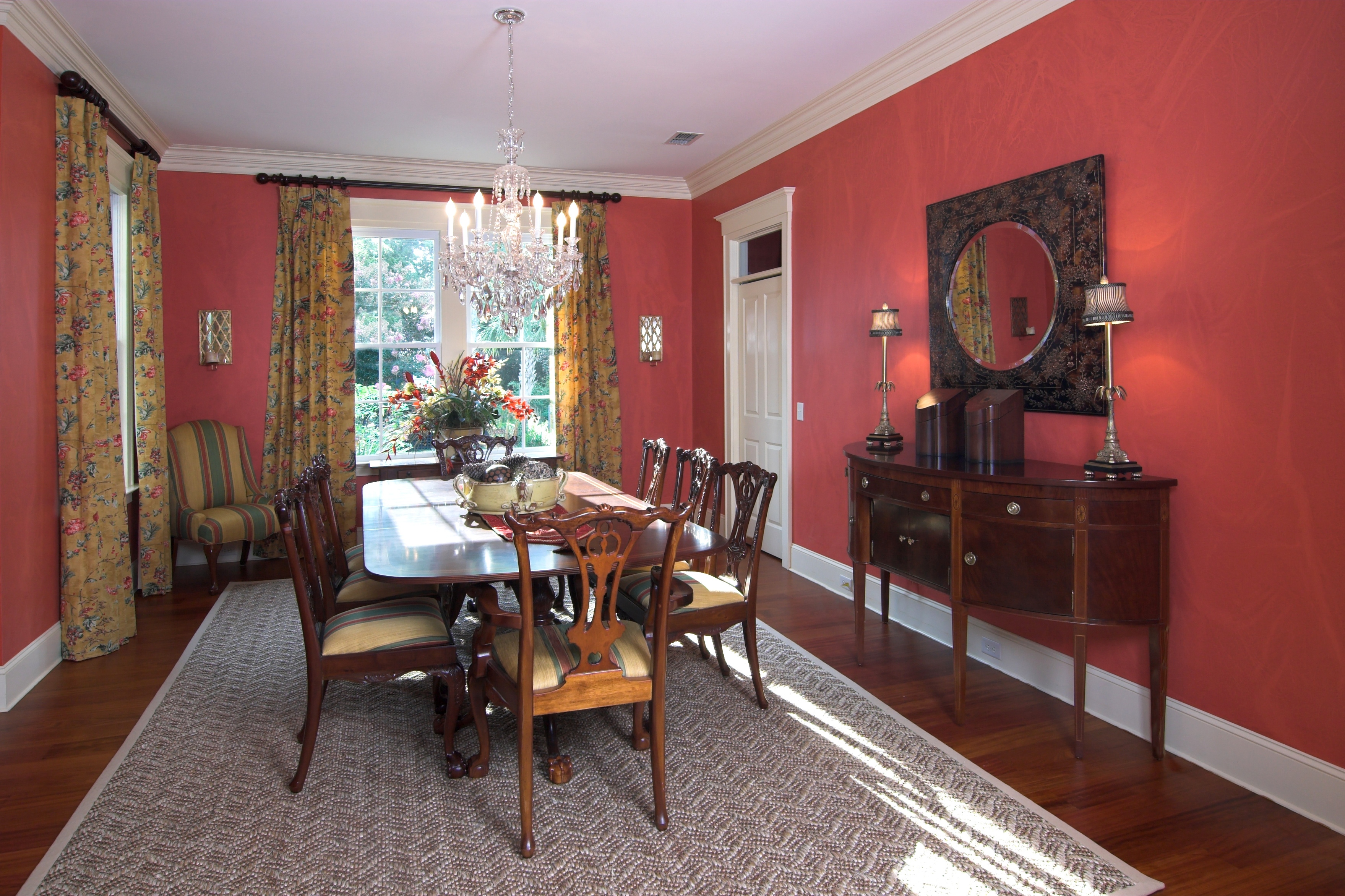
3. Artificial Lighting Becomes Part of the Room's Personality
During the summer, many of us barely think about turning on lamps until late in the evening.
In winter, artificial lighting plays a much larger role in how our homes look and feel.
Overhead fixtures, table lamps, floor lamps, and under-cabinet lighting can create very different atmospheres—even in the same room.
A single bright ceiling fixture might provide plenty of illumination but leave a room feeling stark. Several thoughtfully positioned light sources can make that same space feel more comfortable and balanced.
What to consider:
- Combine overhead lighting with table or floor lamps.
- Use task lighting where you read, cook, or work.
- Pay attention to bulb color temperature; warm-white lighting often creates a softer atmosphere in living spaces.
- Consider dimmers where appropriate so lighting can change with the time of day.
The goal isn't necessarily to make every room brighter. It's to make the lighting work for the activities taking place there.
4. Winter Changes the Way We Notice Texture
In warmer months, open windows, sunlight, and outdoor activity contribute to the feeling of a home.
During winter, we spend more time noticing what's inside.
The softness of a sofa, the texture of a rug, the weight of curtains, and the materials surrounding us can become more noticeable.
This helps explain why a room that feels perfectly comfortable in summer might seem a little bare once colder weather arrives.
Fortunately, creating a sense of warmth doesn't require filling every surface with decorations.
What to consider:
A textured throw, a comfortable area rug, upholstered seating, or thoughtfully chosen window treatments can soften a room's appearance.
Natural materials such as wood, woven fibers, and warm-toned fabrics can also help create a welcoming atmosphere.
The key is balance. A room can feel cozy without becoming crowded.
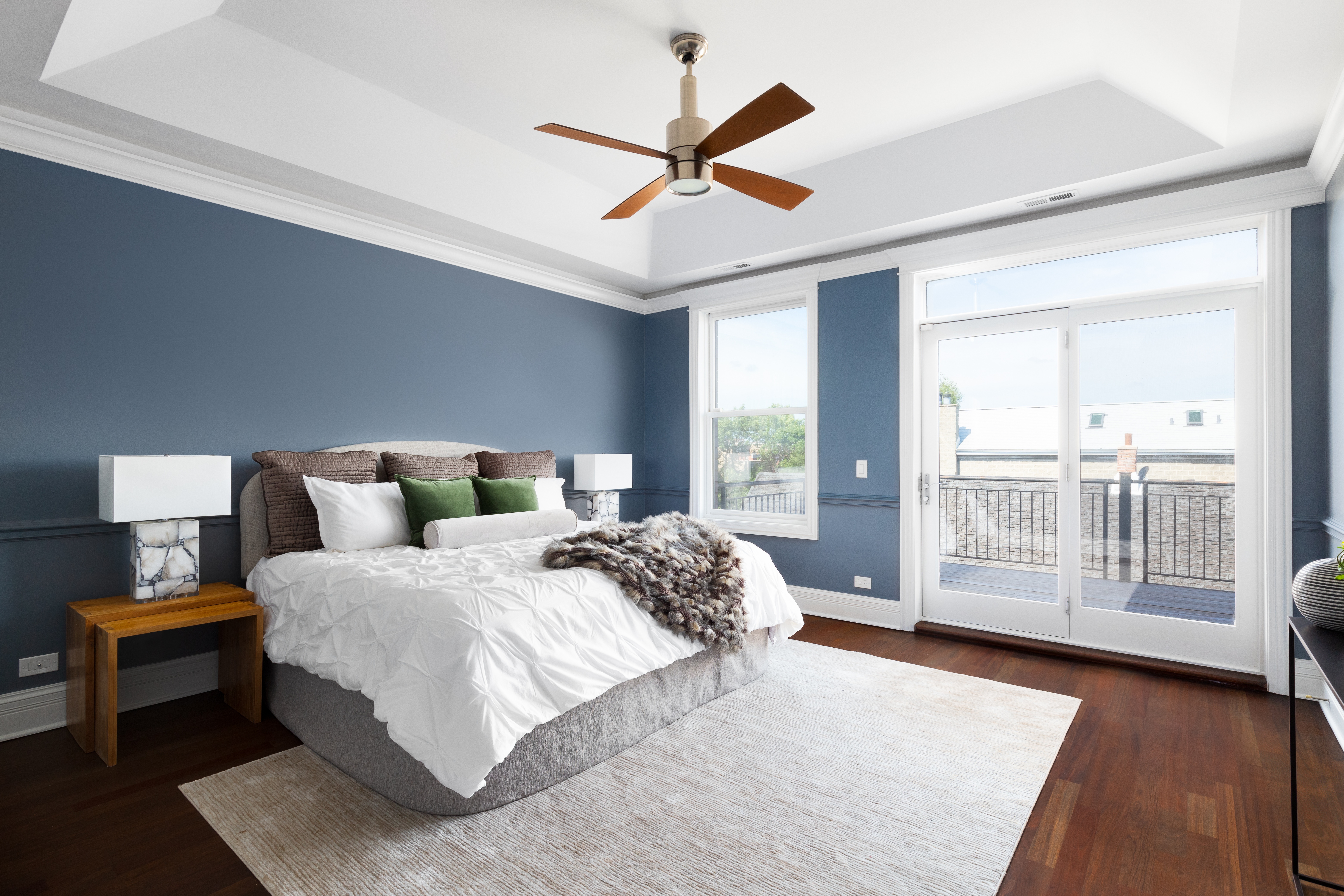
5. A Room's Temperature Can Change How Comfortable It Feels
Sometimes, what we interpret as a decorating problem is actually a comfort problem.
A beautiful room may feel less inviting if there's a noticeable draft near the windows, a cold floor, or an uneven temperature between seating areas.
Older Connecticut homes, in particular, may have rooms that feel different depending on their exposure, insulation, or heating arrangement.
Before making cosmetic changes, consider whether physical comfort is influencing your impression of the space.
What to consider:
- Check for drafts around windows and exterior doors.
- Make sure heating vents and radiators aren't obstructed by furniture.
- Use suitable rugs to make hard-surface floors feel more comfortable.
- Consider whether window coverings help manage nighttime heat loss.
If drafts or temperature differences are significant, addressing the underlying issue may do more for the room than changing its appearance.
6. The View Outside Becomes Part of the Interior
Here's something homeowners don't always think about: your windows are part of your room's visual design.
During spring and summer, trees, gardens, and green lawns create colorful backgrounds beyond the glass.
In winter, those same windows may reveal bare branches, gray skies, snow-covered yards, or early evening darkness.
The view changes the overall impression of the room—even though nothing inside has moved.
A large window that felt bright and cheerful in July might become a dark reflective surface on a November evening.
What to consider:
Look at how your room feels both during the day and after sunset.
Furniture placement, window treatments, and nearby lighting can all influence whether a window feels like a beautiful focal point or a dark, empty area.
Sometimes, a lamp near a seating area or a more intentional furniture arrangement is enough to restore a sense of balance.
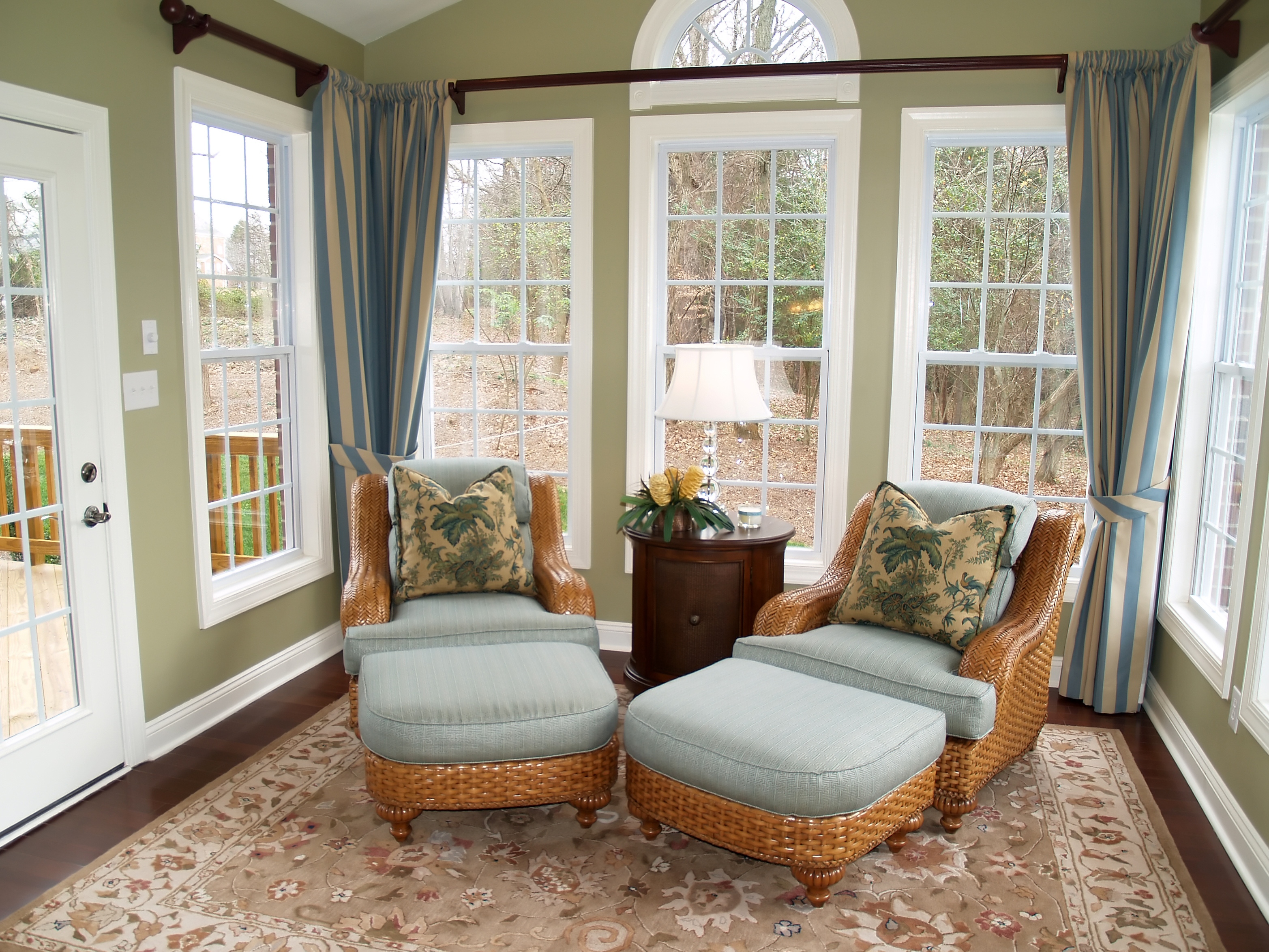
7. Our Winter Routines Change What We Need From Our Rooms
During summer, home life often extends outdoors.
Porches, patios, decks, and backyards become natural gathering spaces.
Winter brings more of those activities inside.
Suddenly, the living room might need to accommodate family movie nights, reading, entertaining, and quiet evenings. The dining room may see more frequent use, while an entryway has to handle heavier coats, boots, and winter accessories.
A room that worked beautifully for your summer routine might need a little adjustment for winter.
What to consider:
Think about how you're actually using each space now—not how you used it six months ago.
Would moving a chair create a better reading spot? Does the family need another comfortable seat? Could a small storage solution make the entryway easier to navigate?
Sometimes the most effective changes are simply about making your home work better for the season you're in.
8. A Fresh Perspective Can Make Familiar Rooms Feel New Again
Winter has a way of drawing our attention to details we overlook during busier seasons.
We may notice worn trim, scuffed walls, uneven finishes, or colors that no longer complement the way a room is furnished and illuminated.
Not every room needs a complete makeover.
Sometimes a small change in furniture placement, lighting, textiles, or artwork is enough.
Other times, a refreshed wall color or newly painted trim can make a noticeable difference in how a space feels.
The important thing is to identify what isn't working before deciding what to change.
Ask yourself:
Is this room too dark, too cool, too crowded, or simply not as comfortable as I'd like it to be?
The answer can point you toward a much more satisfying solution than making changes just for the sake of change.

A Home That Feels Good in Every Season
One of the wonderful things about living in New England is experiencing the changing seasons.
Our homes are part of that experience.
The same living room that feels airy and sun-filled in June can become a warm gathering place in December. A bedroom that feels bright and energetic in spring might become a peaceful retreat during winter.
Neither version is necessarily better. They're simply different.
And when we understand how daylight, color, temperature, and daily routines influence our surroundings, we can make thoughtful choices that help our homes feel welcoming all year long.
Sometimes the secret to loving your home in winter isn't changing everything. It's learning how to make the most of what you already have.
Thinking About Refreshing Your Interior This Winter?
At Southington Painting Company, we've been helping Connecticut homeowners transform and maintain their living spaces since 1979.
Whether you're considering a new wall color, refreshing interior trim, or updating a room that no longer feels quite right, our experienced team can help you explore the possibilities.
Schedule your free estimate today.
Coming Next in The Homeowner's Guide
Issue No. 09 | December 4, 2026
The Little Things That Make a Home Feel Special During the Holidays
What makes a home feel truly welcoming during the holiday season? It's not always the decorations or the perfectly arranged rooms. Often, it's the little details, familiar traditions, and thoughtful touches that make family and friends feel comfortable and at home.
In our next issue, we'll explore the simple things that create lasting holiday memories—and why the most inviting homes aren't necessarily the most elaborate.
Watch for Issue No. 09 on December 4!

The Homeowner's Guide is an ongoing series from Southington Painting Company, created to help Connecticut homeowners care for, maintain, and enjoy their homes—one issue at a time.