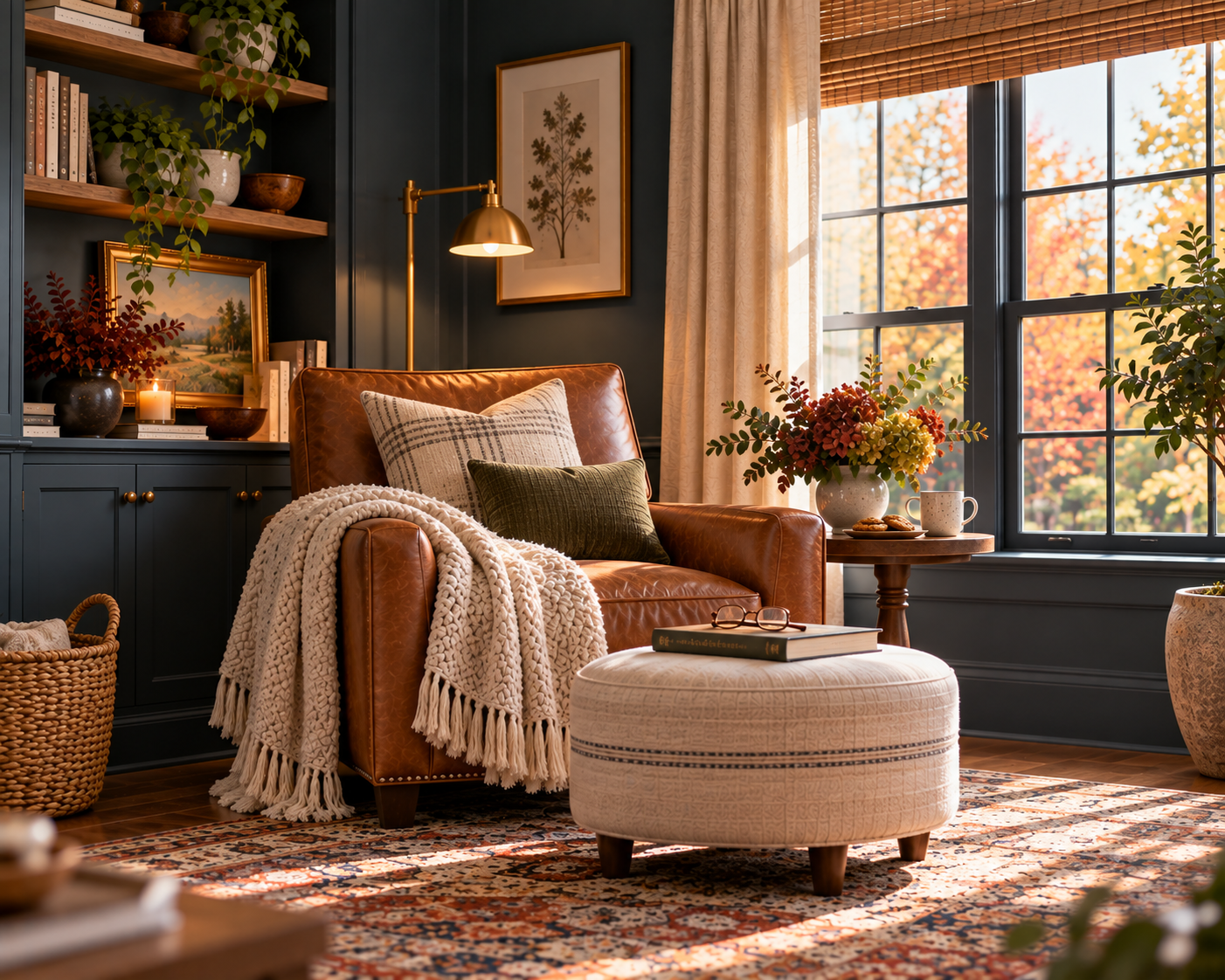
Have you ever walked into a room in your home and thought, Something just isn't right?
You've chosen the furniture. You've hung the artwork. You've added pillows, curtains, lamps and maybe even a few plants. Everything should work together.
But something still feels missing.
Maybe the room feels a little disconnected. Perhaps the furniture looks beautiful, but the walls seem uninspiring. Or you've decorated and redecorated, yet the space never quite looks the way you imagined.
Here's something many homeowners don't realize: Sometimes the finishing touches a room needs have nothing to do with decorating.
Welcome to Issue No. 05 of our Homeowner's Guide Series! This time, we're exploring why certain rooms never seem completely finished—and the often-overlooked details that can make an enormous difference.
With Connecticut's cooler weather arriving and more time being spent indoors, it's the perfect opportunity to take a fresh look at the spaces you use every day.
1. Your Walls May Be Working Against Your Décor
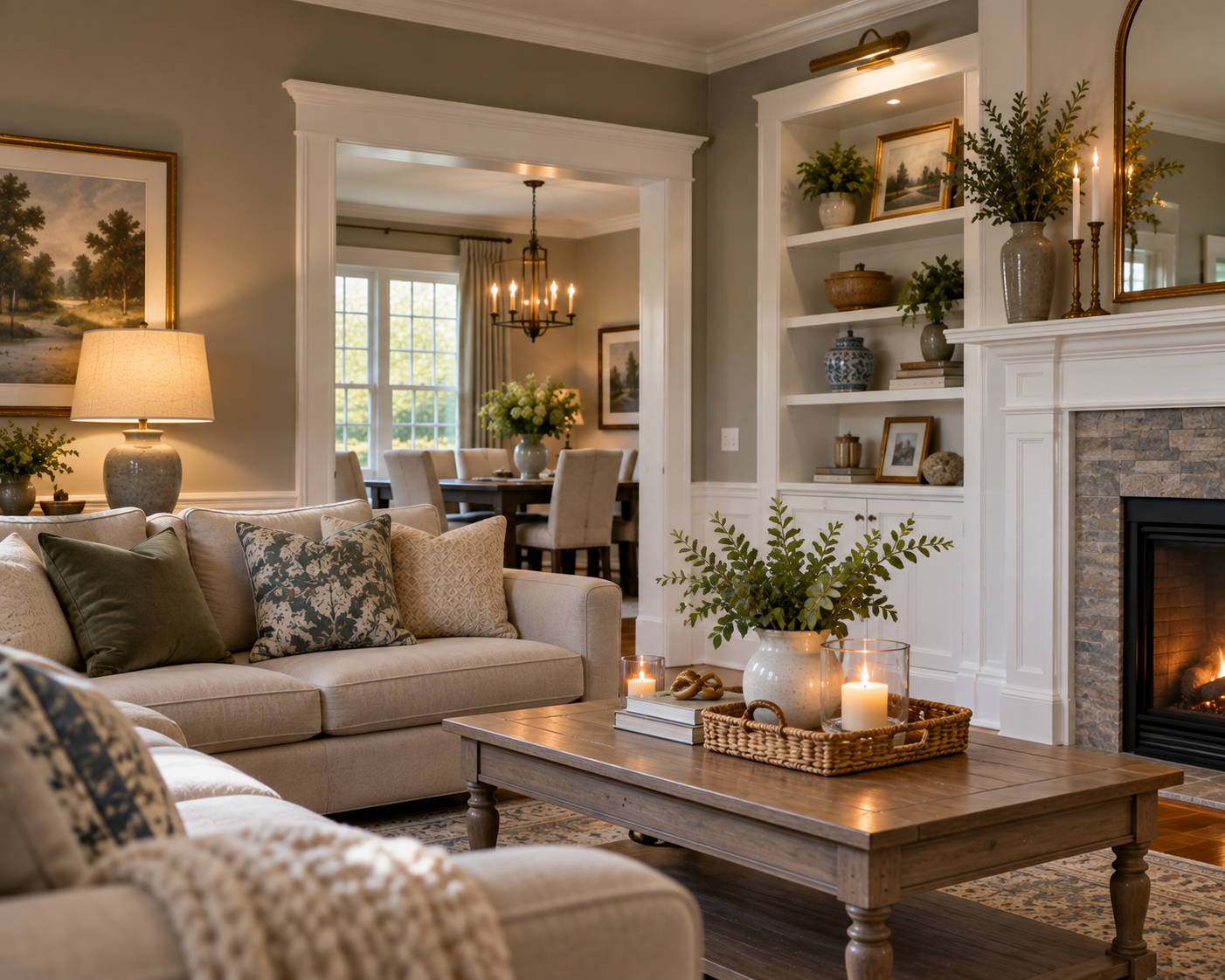
You can have beautiful furniture, carefully selected artwork and perfectly coordinated accessories, but if your wall color isn't working with everything else, the room may never feel cohesive.
One of the most common decorating challenges is choosing furnishings and accessories without considering how they interact with the walls.
For example, a beautiful beige sofa might look completely different against a cool gray wall than it would against a warmer neutral.
Similarly, dark furniture against dark walls can create a sophisticated atmosphere, but without enough contrast, the entire room may feel heavy.
What to look for:
Consider how your wall color interacts with your furniture, flooring, window treatments and adjoining rooms.
Does everything feel connected, or does something seem out of place?
Remember that even neutral colors have undertones. A subtle change in wall color can sometimes bring an entire room together without replacing a single piece of furniture.
2. You're Missing Contrast
Have you ever walked into a room where everything seems to blend together?
The walls are beige. The furniture is beige. The curtains are beige. Even the rug is beige.
There's nothing necessarily wrong with a neutral color palette. In fact, neutral rooms can be incredibly beautiful.
But without contrast, they sometimes lack the visual interest that makes a room feel complete.
Contrast doesn't necessarily mean introducing bold colors.
It might mean pairing warm white walls with darker furniture, incorporating natural wood tones, choosing a deeper color for an accent wall or highlighting architectural details with a complementary trim color.
Homeowner Tip: Take a photograph of your room and look at it in black and white. If everything appears to be approximately the same shade of gray, your space might benefit from additional contrast.
3. Your Trim Is Telling a Different Story
Here's something that frequently gets overlooked.
You've updated the wall color, purchased new furniture and refreshed your décor.
But what about the trim?
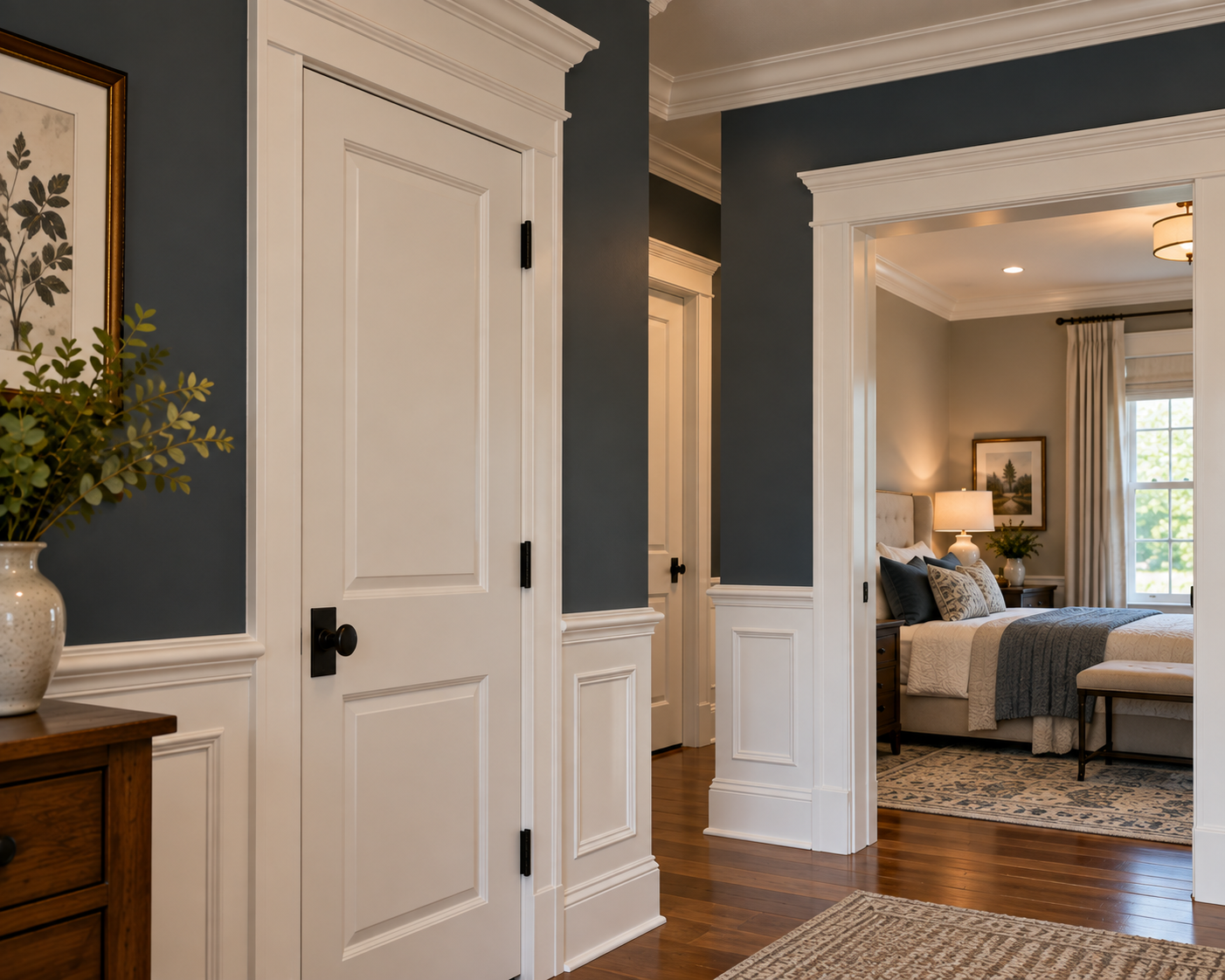
Baseboards, window casings, crown molding and door frames are important architectural features. When their finishes are worn, discolored or inconsistent, they can make an otherwise updated room feel unfinished.
Sometimes homeowners focus so much attention on the walls that they forget how much the surrounding trim contributes to the overall appearance.
Freshly painted trim can create beautiful definition, particularly when paired with a complementary wall color.
And while white remains a popular choice, it's certainly not the only option.
Painting trim the same color as the walls can create a seamless, sophisticated appearance. Choosing a contrasting color can emphasize architectural details and add character.
The key is making sure the trim feels like an intentional part of the room rather than an afterthought.
4. Your Doors Don't Match the Rest of the Room
Interior doors are another detail that can have a surprising impact on how finished a space feels.
Consider a beautifully decorated bedroom with freshly painted walls, updated bedding and attractive furniture.
Now imagine that the closet doors are yellowing, the bedroom door has visible scuffs and the door frames haven't been painted in years.
Those details can distract from everything else.
Doors occupy a considerable amount of visual space, especially in hallways, bedrooms and rooms with multiple entrances.
Updating their finish can help create a consistent appearance throughout your home.
For homeowners who want something a little different, interior doors can also provide an opportunity to introduce color.
Deep navy, charcoal, muted green and other sophisticated shades can add personality without overwhelming a room.
The important thing is consistency. Think about how your doors, frames, trim and wall colors work together—not just within one room, but throughout your home.
5. Your Ceiling Might Be the Missing Piece
When was the last time you really looked at your ceiling?
For many homeowners, the answer is probably not recently.
Ceilings tend to disappear into the background until something draws attention to them.
However, an aging or discolored ceiling can affect the appearance of an entire room.
Even when the walls have been refreshed, a ceiling that has yellowed over time may make the space appear darker or less polished.
And depending on the room, a standard white ceiling isn't necessarily the only choice.
A soft variation of the wall color can create a cohesive look. In rooms with high ceilings, a carefully selected color may make the space feel warmer and more intimate.
Architectural details such as ceiling beams, tray ceilings and crown molding can also become beautiful design features when their colors are thoughtfully coordinated.
Don't forget to look up when evaluating a room that doesn't feel quite finished.
6. The Room Doesn't Connect With the Rest of Your Home
Sometimes there's nothing particularly wrong with an individual room.
The problem becomes apparent when you look at how it connects to the surrounding spaces.
Imagine walking from a warm, welcoming living room into a hallway with completely different undertones, then entering a dining room that feels like it belongs in another house.
Each space might look attractive on its own, but the overall home can feel disconnected.
This is particularly noticeable in open floor plans and homes where several rooms are visible at once.
That doesn't mean every room needs to be painted the same color.
In fact, using different colors can create personality and help define individual spaces.
The secret is finding a common thread.
That might be a consistent trim color, complementary wall colors, repeated accent shades or a similar balance of warm and cool tones.
Homeowner Tip: Stand in your hallway or another central location where you can see multiple rooms at once.
Do the colors work together? Does your eye move naturally from one space to another?
Sometimes viewing your home from a different angle reveals exactly what's been bothering you.
7. Your Lighting Changes Everything
Have you ever fallen in love with a paint color in one room, only to discover that it looks completely different somewhere else?
Lighting is often the reason.
Natural light changes throughout the day, and the direction your windows face can dramatically affect how colors appear.
Artificial lighting adds another variable.
A room that feels bright and welcoming during the afternoon might look considerably different under warm lamps or overhead lighting in the evening.
And during Connecticut's fall and winter months, when daylight hours become shorter, these differences can become even more noticeable.
Before deciding that your room needs new furniture or another round of decorating, consider whether the lighting is affecting how everything looks.
Evaluate your room at different times of day, including after sunset.
You might discover that the colors and finishes you've chosen work beautifully in one lighting condition but not another.
This is particularly important when planning an interior painting project.
8. Your Architectural Details Are Getting Lost
Some homes have beautiful architectural features that simply aren't receiving the attention they deserve.
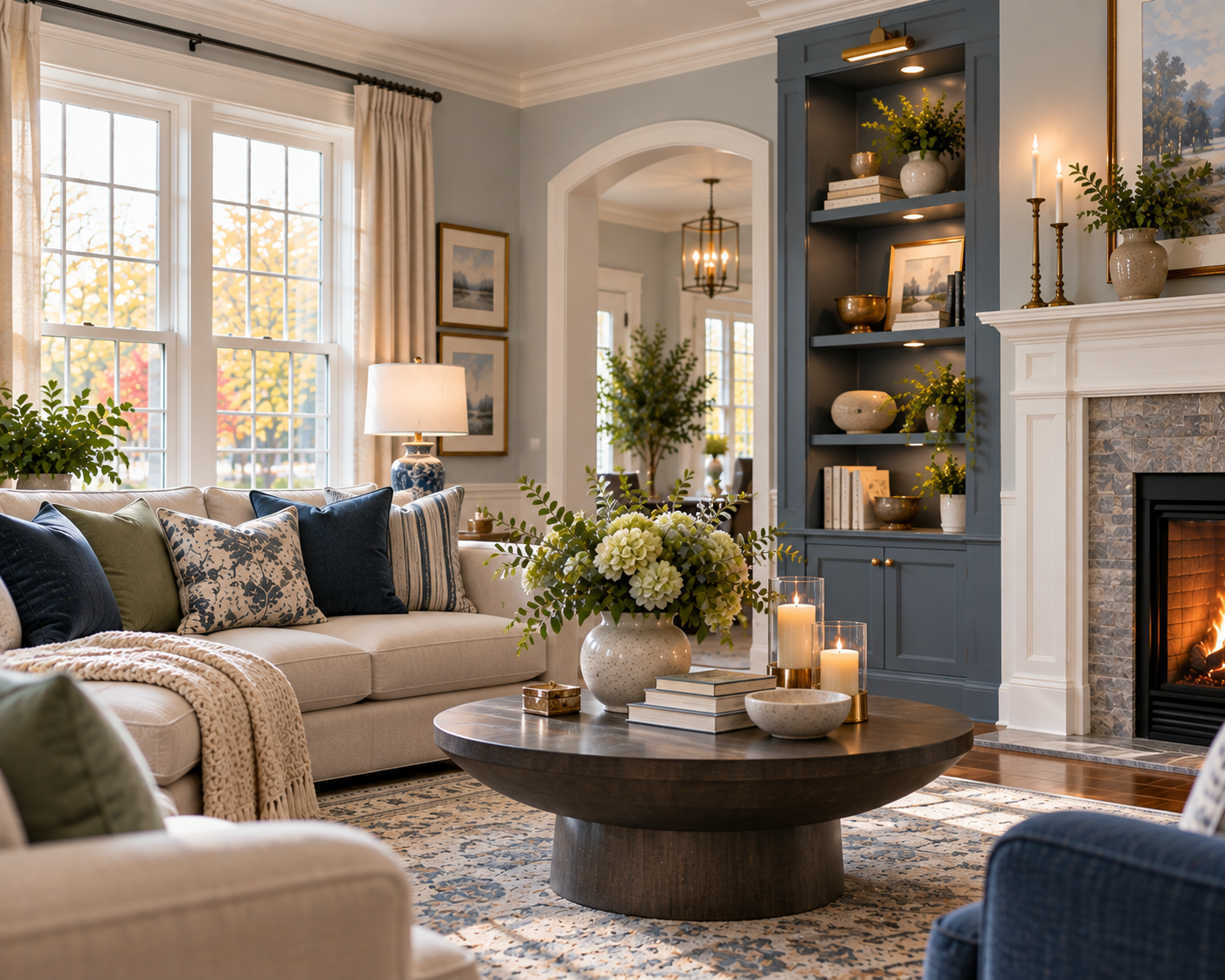
Think about built-in bookshelves, fireplaces, decorative molding, window seats, paneled walls and unusual ceiling details.
These elements can give a home personality and character.
However, when they're painted in colors that don't complement the surrounding space—or when their finishes are showing wear—they may not make the impact they could.
Sometimes highlighting an existing feature can transform the appearance of an entire room.
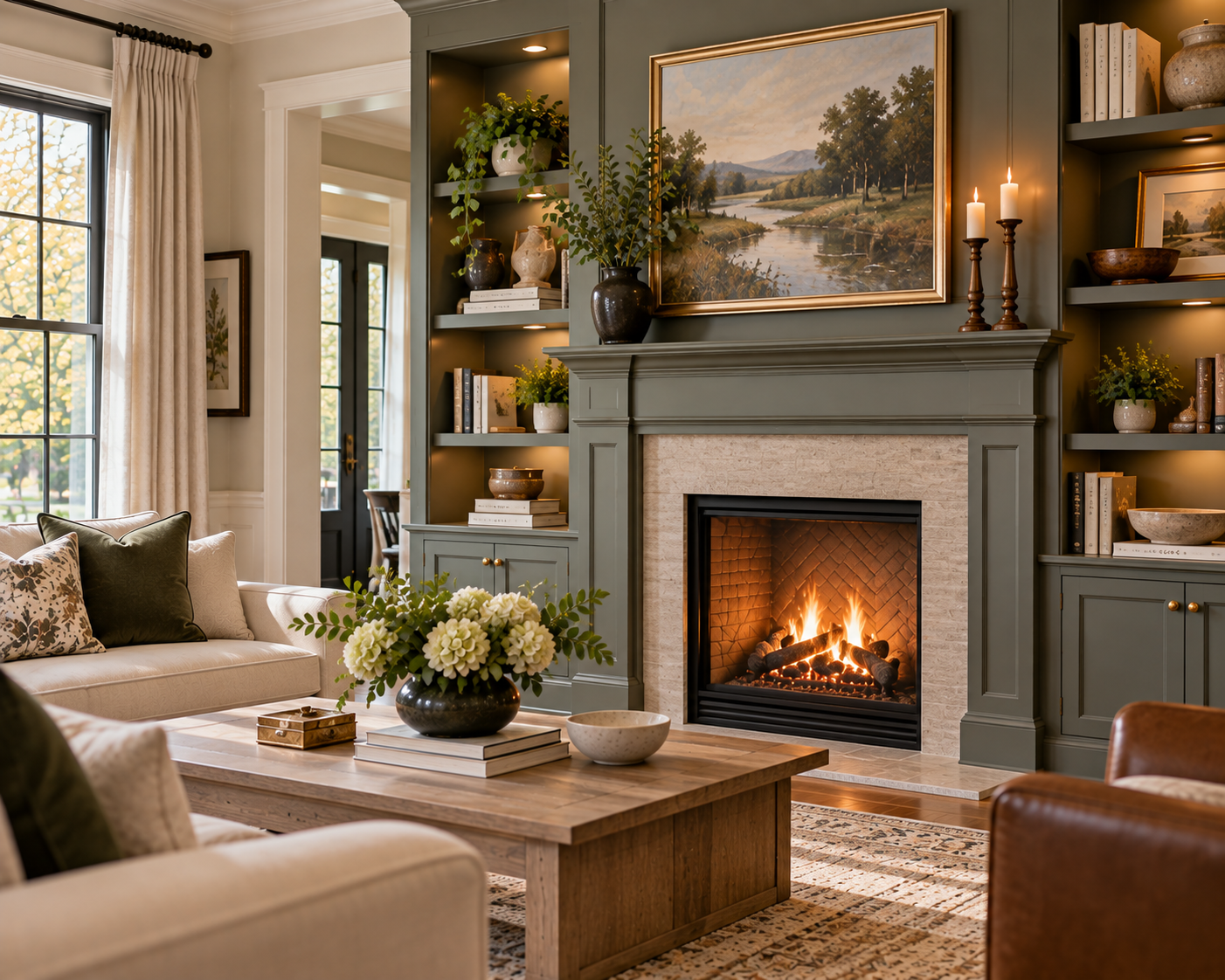
A fireplace surround painted in a complementary color might become a beautiful focal point.
Built-in shelving can create depth and visual interest.
Even something as simple as refreshing the paint on detailed molding can draw attention to craftsmanship that previously went unnoticed.
Before investing in additional decorations, take a closer look at the architectural features you already have.
Your home may already have the character you've been trying to create. It just needs an opportunity to stand out.
9. You're Decorating Around Something That Needs Attention
We've all done it.
There's a scuffed wall behind the sofa, so we move a piece of furniture in front of it.
The trim is looking tired, but we hang new curtains and hope nobody notices.
The room's color doesn't feel right anymore, so we purchase different pillows, artwork or accessories.
Sometimes these additions improve the space.
Other times, we're simply decorating around an underlying issue.
And the more things we add, the more complicated the room becomes.
If you've repeatedly changed the décor in a room without achieving the result you want, consider whether the problem might be something more fundamental.
Perhaps the walls need refreshing. Maybe the trim no longer complements your furniture. Or the room's color palette has evolved over time without a clear plan.
Addressing those underlying details may accomplish more than another shopping trip.
10. You Haven't Decided How You Want the Room to Feel
This might be the most important consideration of all.
We spend so much time thinking about what a room should look like that we sometimes forget to consider how we want it to feel.
Should your living room feel bright and energetic or warm and relaxing?
Do you want your bedroom to feel peaceful and understated?
Should your dining room be sophisticated and dramatic or casual and welcoming?
And what about that home office you've been meaning to update?
Different rooms serve different purposes, and their appearance should reflect how you actually use them.
Once you've identified the feeling you're trying to create, decisions about color, lighting, furniture and finishing details become easier.
Rather than making individual decorating decisions and hoping everything eventually comes together, you'll have a clearer direction for the entire space.
A finished room isn't necessarily one that contains everything. It's one where everything feels like it belongs.
Sometimes, the Finishing Touch Isn't What You Think
There's a reason some rooms immediately feel comfortable, welcoming and beautifully put together.
It isn't always expensive furniture, elaborate decorations or the latest design trends.
Often, it's the relationship between the walls, trim, doors, lighting, architectural details and everything else within the space.
When those elements work together, even a relatively simple room can feel complete.
And when they don't, homeowners may spend years trying to figure out what's missing.
As we settle into fall and begin spending more time indoors, take another look at the rooms in your home that have never felt quite finished.
You might discover that the answer has been right in front of you all along.
Ready to Give Your Home That Finished Feeling?
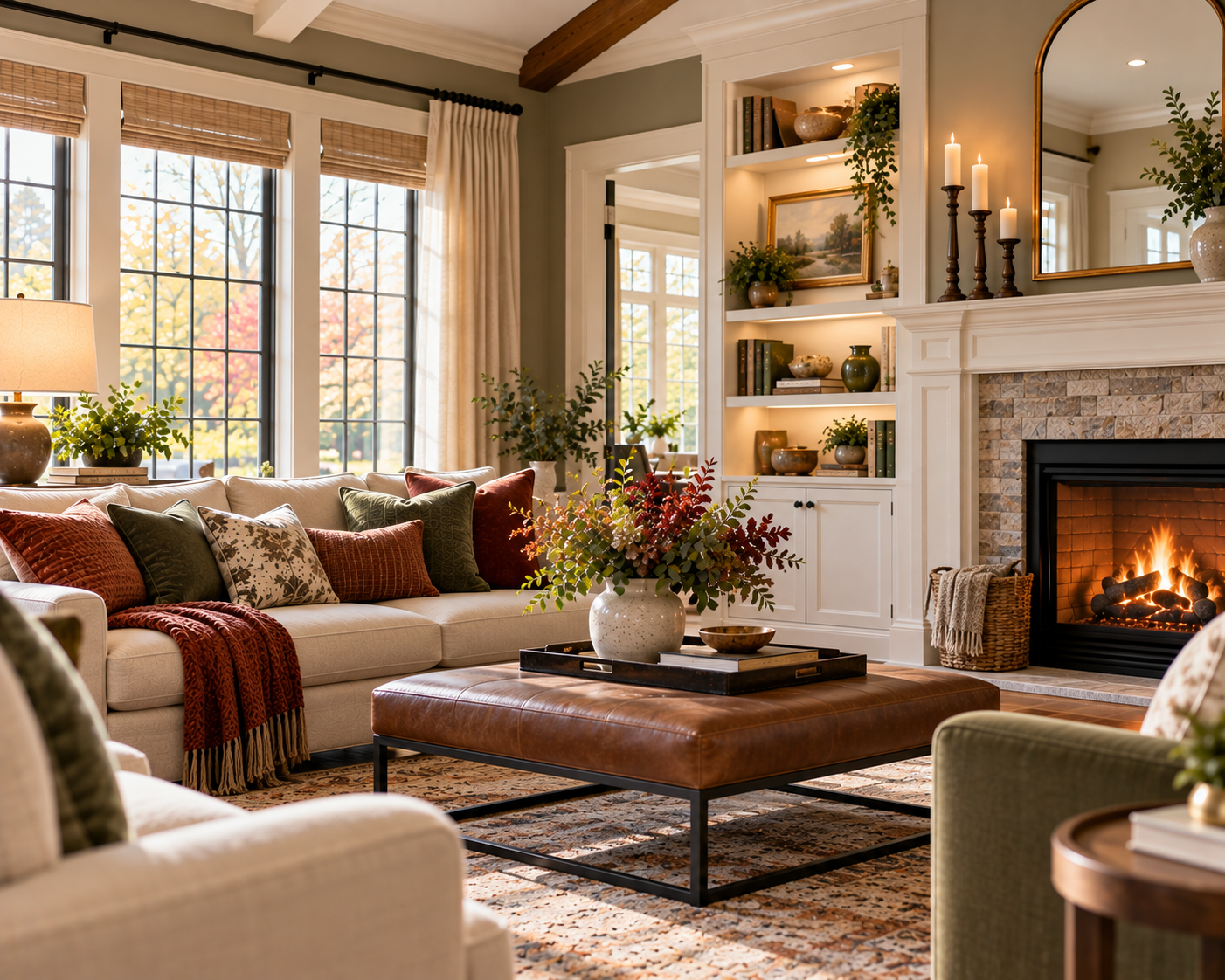
For more than 45 years, Southington Painting Company has helped Connecticut homeowners transform their interiors with professional painting services.
Whether you're considering a fresh wall color, updating your interior doors and trim, refreshing your built-ins or planning a larger interior project, we're here to help bring your vision together.
Contact Southington Painting Company today to schedule your free estimate!
📖 Coming Next in the Homeowner's Guide Series
ISSUE NO. 06
The Homeowner's Guide to Creating a Cozy Home Without Making It Feel Dark
As the days grow shorter and temperatures drop, there's something wonderful about coming home to a warm, inviting space.
But how do you create that cozy atmosphere without making your rooms feel smaller, darker or outdated?
In our next issue, we'll explore the relationship between color, lighting, texture and architectural details—and how to achieve a comfortable, welcoming home during Connecticut's colder months.
Look for Issue No. 06 later in October on the Southington Painting Company blog!