There's something about October in Connecticut that makes us want to spend a little more time at home.
The mornings are cooler, the evenings arrive earlier, and suddenly that comfortable spot on the sofa seems a little more inviting. We trade open windows for cozy blankets, fresh summer flowers for autumn arrangements, and outdoor gatherings for evenings spent indoors.
But here's a decorating challenge many homeowners encounter this time of year:
How do you make your home feel warm and cozy without making it feel dark, heavy or smaller than it actually is?
It's a balancing act.
Rich colors, soft lighting and comfortable furnishings can create a wonderfully inviting atmosphere. But when those elements aren't working together, the result can sometimes feel gloomy rather than cozy.
The good news? You don't have to choose between a bright home and a comfortable one.
Welcome to Issue No. 06 of our Homeowner's Guide Series! This time, we're exploring how thoughtful color choices, lighting, architectural details and a few finishing touches can transform your home into a welcoming retreat for Connecticut's colder months.
And the best part? These ideas aren't limited to fall. They're about creating a home you'll enjoy throughout the year.
1. Understand the Difference Between Warm and Dark
When homeowners think about creating a cozy atmosphere, they often picture deep colors, heavy fabrics, dark furniture and dim lighting.
Those elements can certainly contribute to a comfortable space, but they aren't requirements.
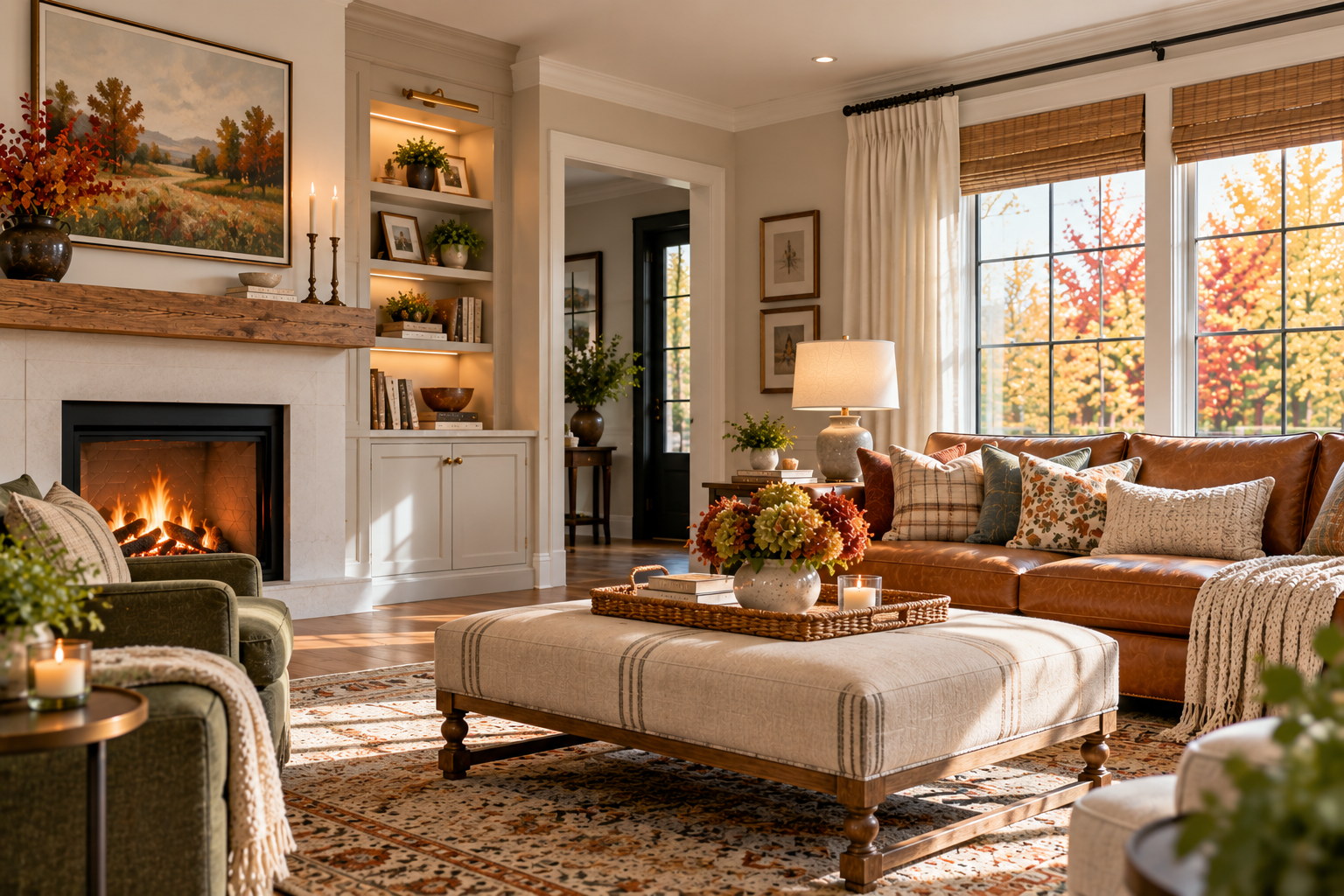
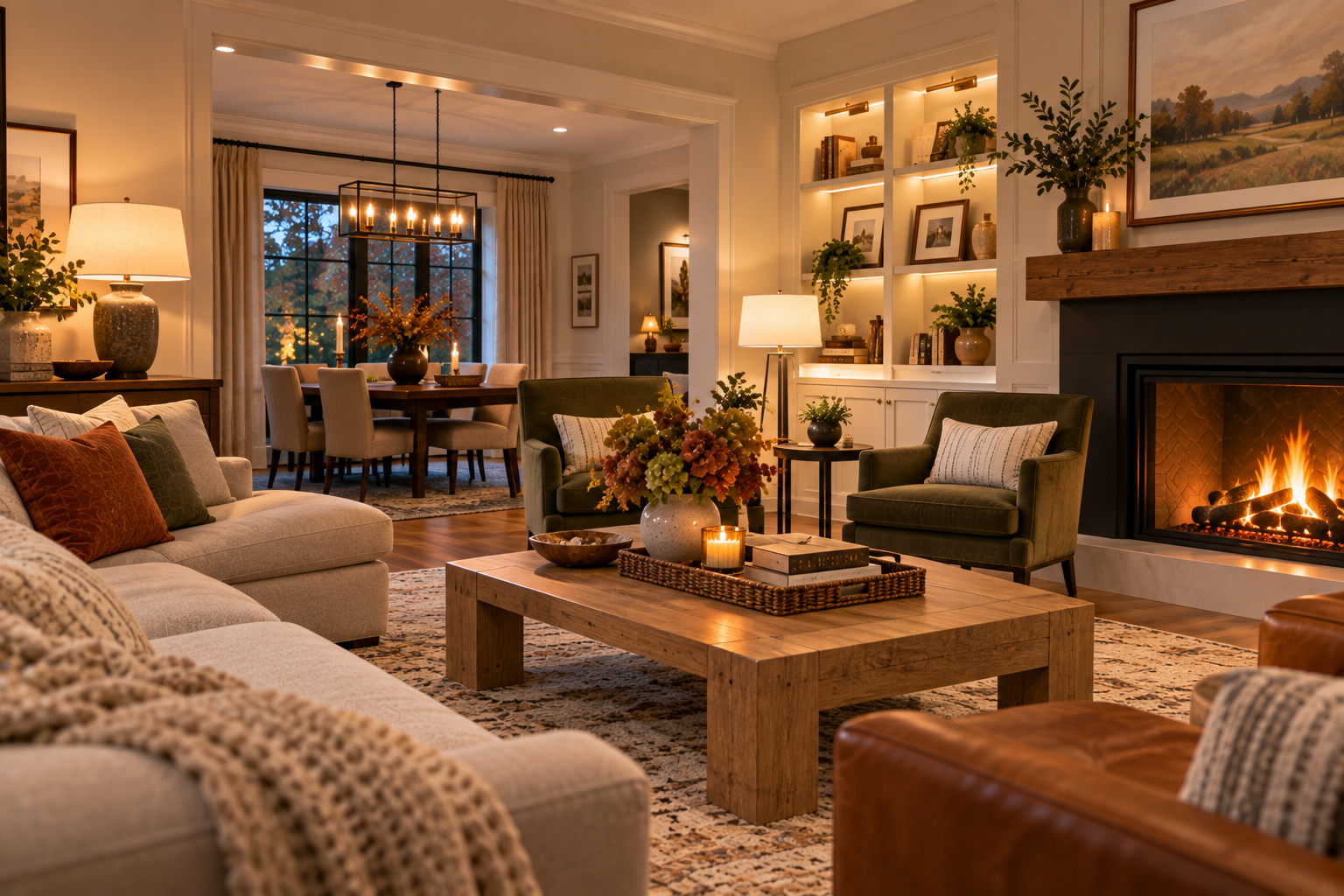
In fact, some of the coziest rooms feature light walls, large windows and plenty of natural sunlight.
The secret is understanding that warmth and darkness aren't the same thing.
A room with creamy walls, natural wood furniture, comfortable seating and thoughtfully selected lighting can feel every bit as inviting as one with deep burgundy walls and dark furnishings.
Similarly, a room painted in a rich, dramatic color can still feel bright when there's enough contrast and appropriate lighting.
Homeowner Tip: Before changing anything in your room, ask yourself whether you're trying to make it feel warmer, more intimate or simply more comfortable.
Those are three different goals, and understanding which one matters most will help guide your decisions.
2. Choose Wall Colors That Create Warmth
Wall color is one of the most influential elements in determining how a room feels.
And while darker colors can create beautiful, cozy spaces, you don't necessarily need to go dark to achieve that effect.
Warm whites, creamy neutrals, soft taupes, muted greens and earthy shades can all introduce warmth while maintaining a bright, open atmosphere.
Consider the difference between a cool, stark white and a soft, creamy white.
Both may appear light, but they can create completely different environments.
The same principle applies to gray. A cool, blue-based gray may feel crisp and contemporary, while a warmer gray with beige undertones can create a softer, more comfortable atmosphere.
If you're interested in introducing more color, consider shades inspired by nature.
Sage green, muted terracotta, dusty blue and warm mushroom tones can add personality without overwhelming a room.
The goal isn't necessarily to choose a lighter color. It's to choose a color that creates the atmosphere you want.
And remember that every color looks different depending on the room's lighting, flooring and surrounding furnishings.
3. Let Natural Light Do Some of the Work
During Connecticut's shorter fall and winter days, natural light becomes especially valuable.
But creating a cozy home doesn't mean shutting it out.
In fact, sunlight can make warm colors look richer, highlight beautiful architectural details and bring life to an otherwise ordinary room.
Take a look at your window treatments.
Are heavy curtains blocking more daylight than necessary?
Would lighter fabrics allow more sunlight to enter while still providing privacy?
Could a different furniture arrangement make better use of your windows?
Even the color surrounding your windows can influence how bright the room feels.
Fresh, light-colored window trim can create definition and help emphasize natural light.
And if your room has beautiful views of Connecticut's changing seasons, consider making those windows part of the room's overall design.
There's something particularly inviting about a comfortable chair positioned near a sunny window on a crisp autumn afternoon.
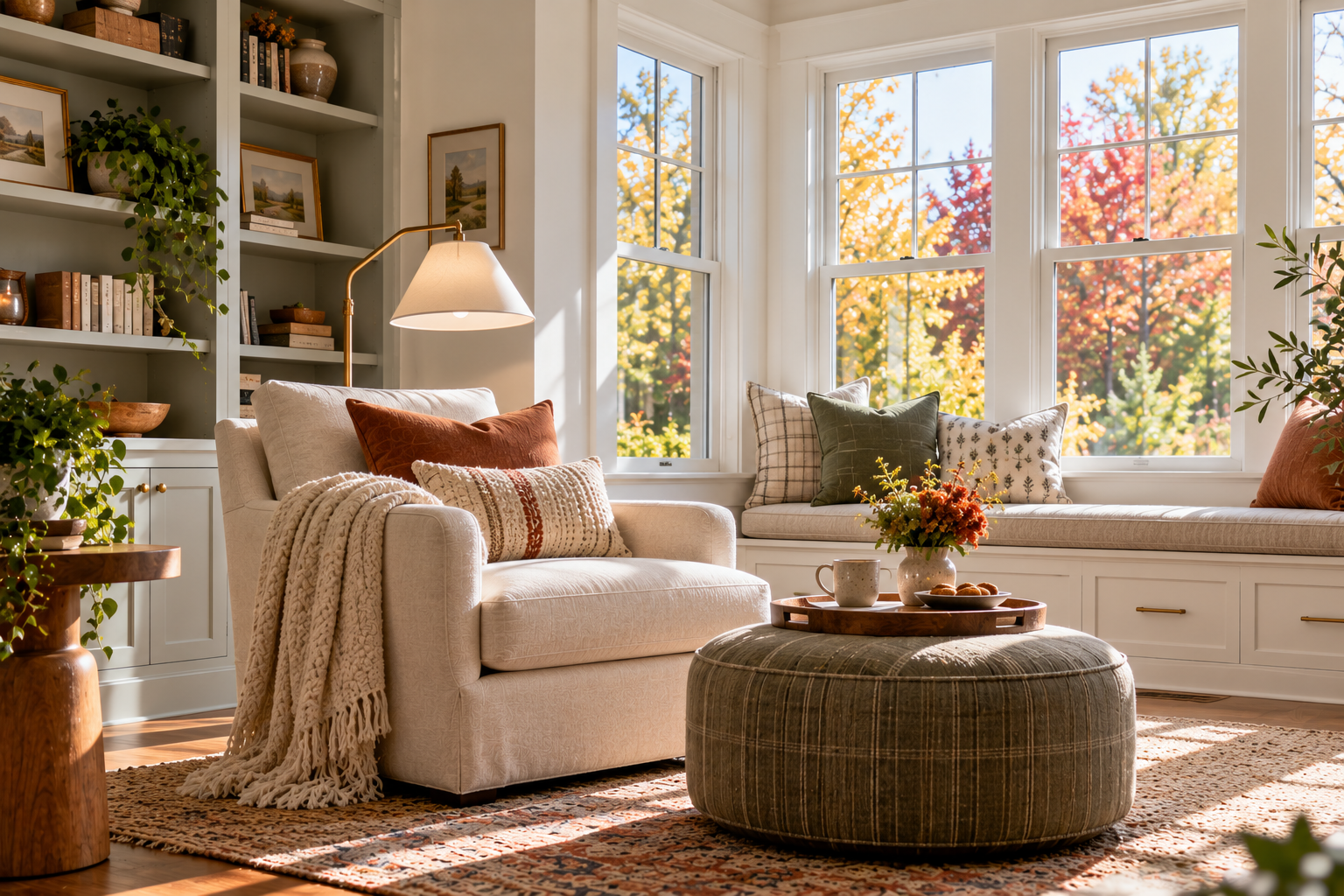
Homeowner Tip: Spend a few minutes observing how sunlight moves through your home during the day.
You might discover that the perfect location for a reading nook, comfortable chair or favorite piece of furniture is somewhere you hadn't previously considered.
4. Create Layers of Light
One of the biggest differences between a room that feels cozy and one that feels gloomy is lighting.
A single overhead fixture may provide enough illumination, but it doesn't always create the most inviting atmosphere.
Instead, think about lighting in layers.
Overhead lighting provides general illumination, while table lamps, floor lamps and accent lighting create warmth and depth.
A reading lamp beside a comfortable chair serves a practical purpose while also creating an inviting little corner.
A table lamp in the entryway can make your home feel welcoming as soon as you walk through the door.
And lighting built into bookshelves or surrounding architectural features can add another dimension to a room.
Pay attention to the color temperature of your light bulbs, too.
Warm lighting often creates a softer atmosphere, while cooler lighting may feel brighter and more energetic.
The right balance depends on the room and how you use it.
The goal is to have enough light to enjoy the space comfortably while creating a welcoming atmosphere in the evening.
And don't forget that your wall colors may look considerably different under artificial lighting than they do in natural daylight.
5. Use Contrast to Keep Rich Colors From Feeling Heavy
Love the idea of a deep green living room, a navy home office or a dramatic dining room?
You don't have to abandon those ideas simply because you're concerned about making the room feel dark.
The key is contrast.
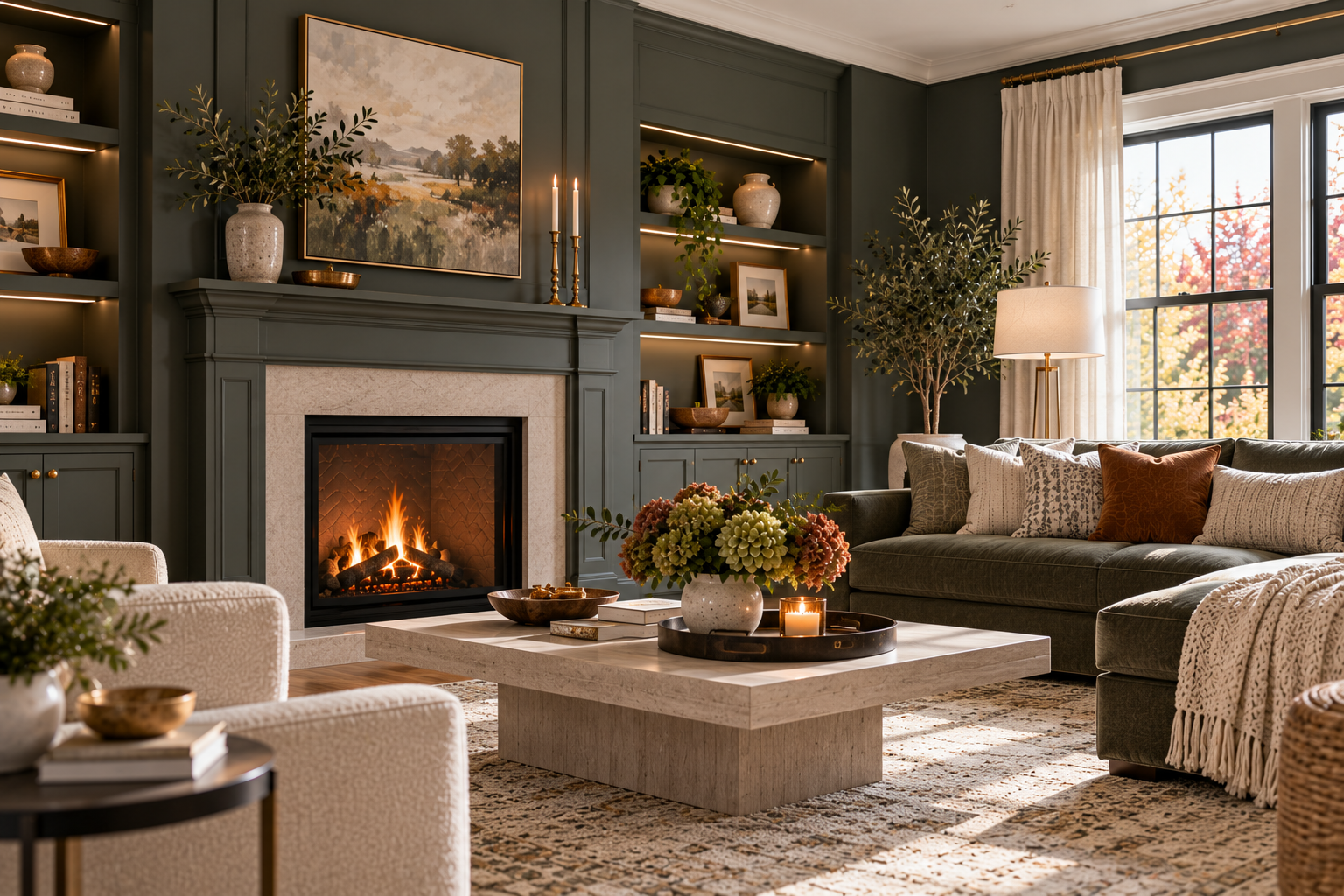
Imagine a living room with deep green walls, a creamy sofa, warm wood furniture, light-colored curtains and crisp architectural trim.
The darker wall color creates depth and character, while the lighter furnishings and finishing details prevent the room from feeling overwhelmingly dark.
Similarly, a navy home office can feel sophisticated and comfortable when paired with natural wood, appropriate lighting and complementary trim.
If you're considering a dramatic wall color, think about the other elements in the room.
Your flooring, furniture, window treatments, ceilings and trim all contribute to the overall balance.
Sometimes a darker color actually makes lighter furnishings and architectural features stand out more.
Don't be afraid of rich colors. Just give them room to breathe.
6. Let Your Trim and Architectural Details Add Brightness
Here's an often-overlooked way to create a cozy room without sacrificing brightness.
Pay attention to your trim.
Baseboards, crown molding, window casings, door frames and built-in cabinetry can all help create contrast and definition.
In a room with rich wall colors, lighter trim can provide visual separation and highlight beautiful architectural details.
This approach works particularly well in traditional Connecticut homes with detailed molding, fireplaces and built-in shelving.
However, lighter trim isn't your only option.
Painting walls and trim in the same color can create a beautiful, enveloping atmosphere, particularly in bedrooms, libraries and smaller sitting rooms.
This technique is sometimes called color drenching.
While it can produce a dramatic result, thoughtful lighting and furnishings are especially important when using deeper colors throughout an entire room.
Before deciding on a color scheme, consider which architectural features you'd like to emphasize and which you'd prefer to blend into the background.
A thoughtfully coordinated combination of walls, trim and doors can dramatically influence how comfortable and complete a room feels.
7. Introduce Warmth Through Texture
Color is important, but it isn't the only ingredient in creating a cozy atmosphere.
Texture plays a significant role, too.
Think about the difference between a room filled entirely with smooth, hard surfaces and one that incorporates comfortable fabrics, natural wood and softer materials.
Even when both rooms have identical wall colors, they can feel completely different.
Consider introducing texture through upholstered furniture, area rugs, curtains, pillows and blankets.
Natural materials such as wood, woven baskets and pottery can also contribute warmth.
The important thing is to create variety without overwhelming the space.
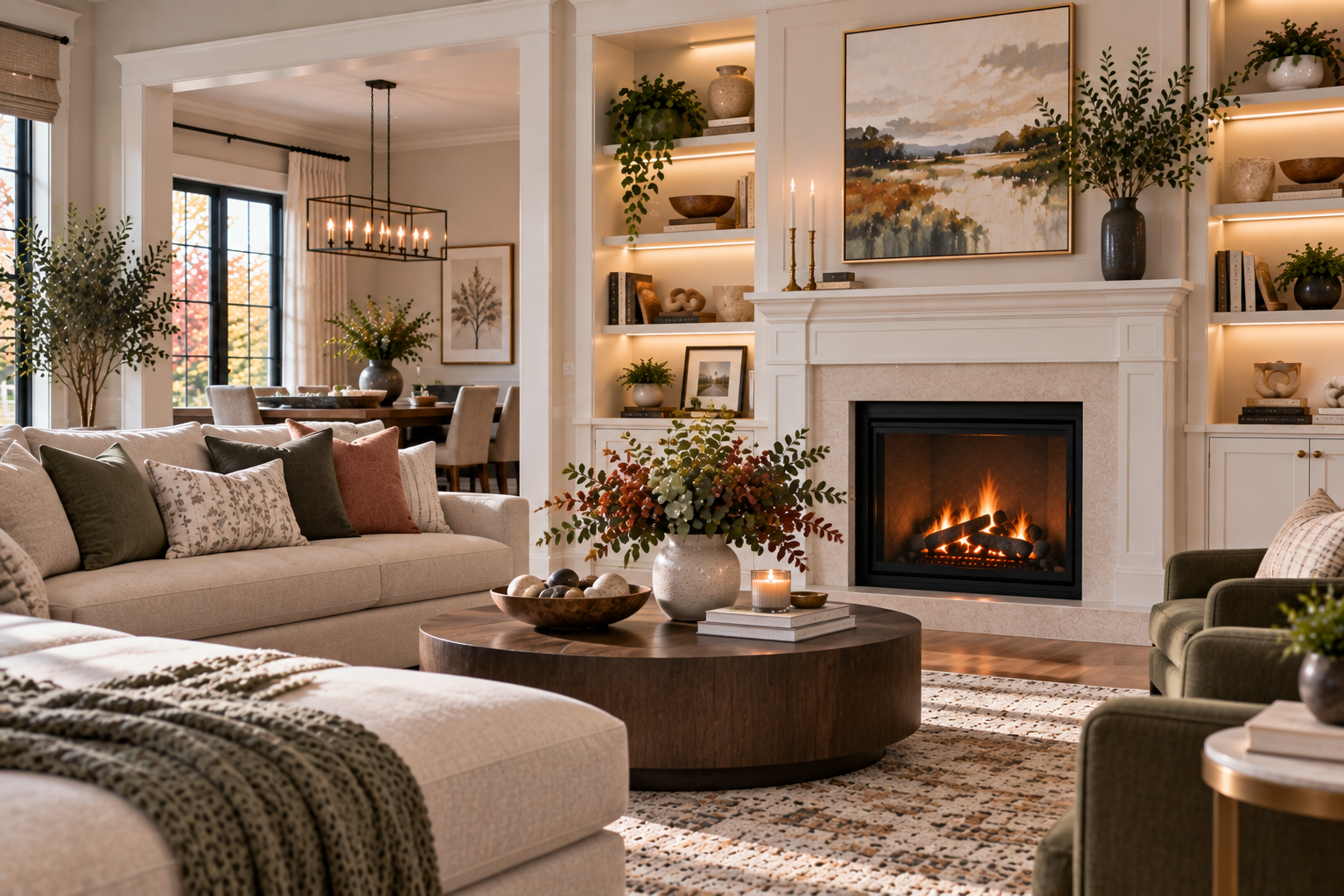
For example, a room with warm white walls, a comfortable sofa, a natural wood coffee table and a richly textured area rug can feel inviting without relying on dark colors.
And while seasonal accessories can be fun, the underlying design should work throughout the year.
A cozy home shouldn't require a complete decorating overhaul every time the seasons change.
Instead, create a comfortable foundation that allows you to introduce seasonal touches whenever you like.
8. Create One Particularly Cozy Corner
Not every room needs to feel like a cozy retreat from wall to wall.
Sometimes, creating one comfortable corner is enough.
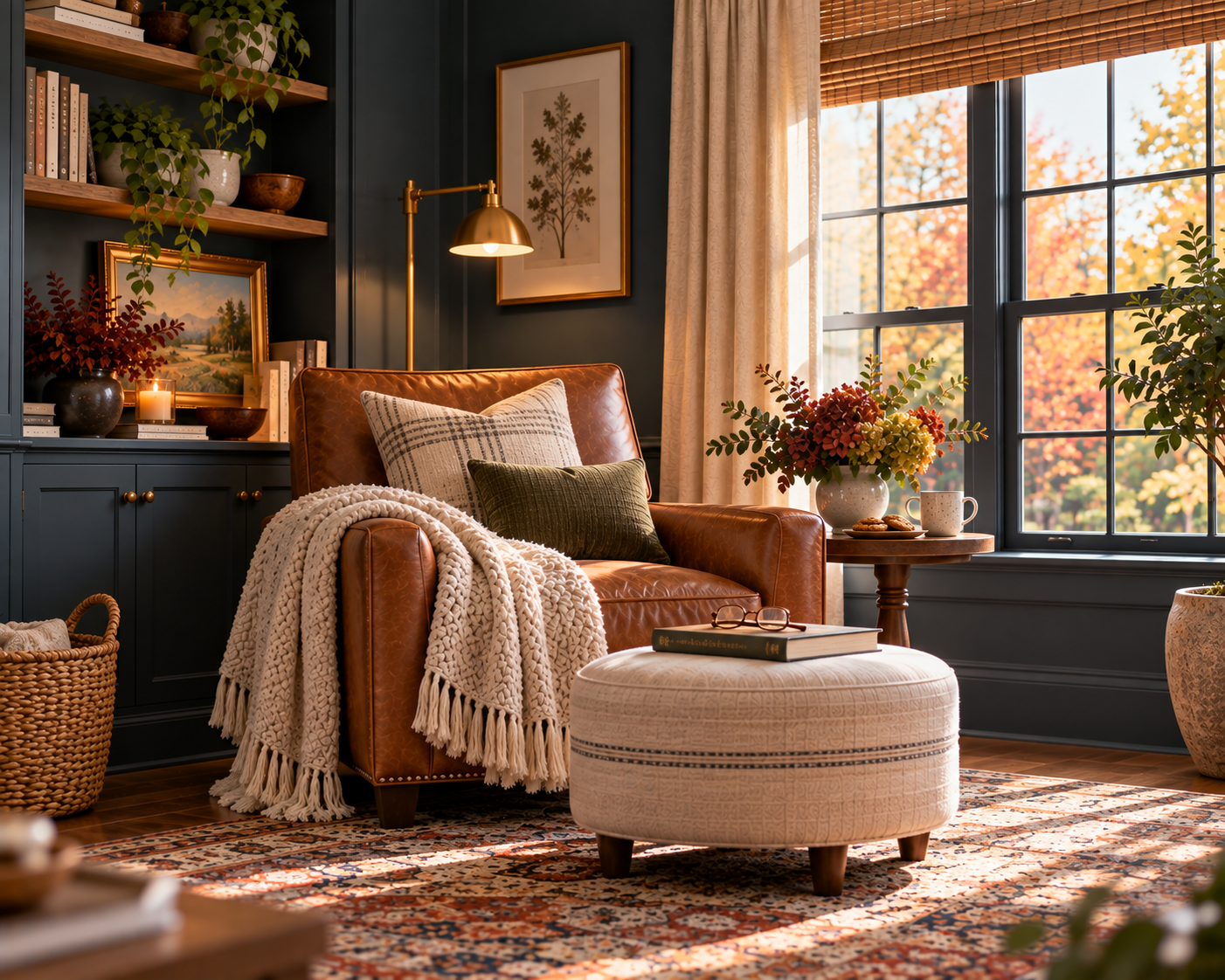
Think about an underused area near a window, a quiet corner of your bedroom or a small space beside the fireplace.
Could it become a reading nook?
Perhaps there's room for a comfortable chair, a small side table and a lamp.
Maybe an existing built-in bookshelf could become the backdrop for a relaxing sitting area.
Or perhaps that overlooked corner simply needs a fresh wall color and a little more personality.
Creating smaller, purposeful areas within larger rooms can make your home feel more welcoming without sacrificing its open atmosphere.
And with Connecticut's colder weather approaching, having a comfortable place to enjoy a cup of coffee, read a book or simply relax can be particularly appealing.
Homeowner Tip: When creating a cozy corner, consider how it looks from the rest of the room.
It should feel like a natural extension of your home's overall design rather than a completely separate decorating project.
9. Remember That Cozy Doesn't Mean Cluttered
When we think about making our homes more comfortable, it's tempting to keep adding things.
Another blanket.
More pillows.
A few additional decorations.
Perhaps another piece of furniture.
But there's a point where all those additions can begin to make a room feel crowded rather than cozy.
This is particularly important in smaller living rooms, bedrooms and family spaces.
Instead of focusing on how many accessories you can introduce, consider how each item contributes to the overall atmosphere.
Choose a few pieces that add meaningful warmth, texture or personality.
Allow your furniture and architectural details to remain visible.
And make sure there's enough space to move comfortably throughout the room.
Sometimes the most inviting rooms are the ones that strike a balance between comfort and simplicity.
A beautiful wall color, thoughtfully arranged furniture, soft lighting and a few well-chosen accessories may be all you need.
Remember: A cozy room should invite you to relax—not make you feel surrounded by stuff.
10. Design for the Way You Actually Live
Ultimately, the coziest home isn't necessarily the one that looks the most impressive in a photograph.
It's the one that feels comfortable to the people who live there.
Maybe your idea of a cozy evening involves gathering with family around the television.
Perhaps it's entertaining friends in the dining room.
Or maybe it's curling up with a good book while the afternoon sunlight streams through your favorite window.
Whatever your version of comfort looks like, your home should support it.
That might mean creating a warm and welcoming family room, introducing a calming color palette in your bedroom or finally giving that underused sitting room a purpose.
Think about which rooms you use most frequently during Connecticut's colder months.
Are they comfortable?
Do they have appropriate lighting?
Do the colors make you feel relaxed and welcome?
And are there any unfinished projects that have been preventing you from enjoying those spaces?
Sometimes creating a cozier home isn't about adding anything new.
It's about making the most of what you already have.
A Cozy Home Can Still Be a Bright Home
As autumn settles into Connecticut and the days become shorter, there's something wonderful about creating a home that welcomes you at the end of the day.
But warmth doesn't have to come at the expense of brightness.
With thoughtful wall colors, balanced lighting, beautiful architectural details and comfortable furnishings, you can create rooms that feel inviting without becoming dark or overwhelming.
Whether you prefer soft, creamy neutrals or rich, dramatic colors, the secret is finding the right balance for your home.
And remember that creating a comfortable atmosphere doesn't require changing everything at once.
Sometimes a fresh wall color, updated trim or a thoughtfully refreshed room is all it takes to make your home feel entirely different.
Ready to Make Your Home Feel Warmer and More Inviting?
For more than 45 years, Southington Painting Company has helped Connecticut homeowners transform their interiors with professional painting services.
Whether you're considering a warmer color palette, refreshing your walls and trim, updating your built-ins or planning a larger interior project, we're here to help.
Contact Southington Painting Company today to schedule your free estimate!
📖 Coming Next in the Homeowner's Guide Series
ISSUE NO. 07
The Spaces You're Probably Forgetting When Preparing Your Home for the Holidays
The holiday season is approaching, and many homeowners are beginning to think about entertaining family and friends.
But while we're busy preparing our kitchens, dining rooms and living rooms, there are several other areas of the home that often get overlooked.
In our next issue, we'll explore the spaces that deserve a little extra attention before the holiday rush—from guest bedrooms and hallways to those easily forgotten corners that can make a surprisingly big difference.
Look for Issue No. 07 in November on the Southington Painting Company blog!